







































The US-Israel conflict with Iran entered its fifth day on March 4, 2026, triggering widespread military, diplomatic, and economic repercussions across the Middle East, as the United Arab Emirates reaffirmed its right to self-defence while maintaining that it has not participated in the war.

UAE Defensive Operations Intensify
The UAE confirmed it has faced more than 1,000 aerial threats since hostilities began. Air defence systems have intercepted:

- 189 ballistic missiles (175 destroyed, 13 fell into the sea, 1 landed on UAE soil)
- 941 drones (876 intercepted, 65 fell within UAE territory)
- 8 cruise missiles (all destroyed)
Authorities reported three fatalities — Pakistani, Nepalese, and Bangladeshi nationals — and 78 minor injuries across multiple nationalities. Fires linked to drone debris in Dubai, Abu Dhabi’s Mussafah fuel terminal, and Fujairah Oil Industry Zone were swiftly contained with no major operational disruption.

A limited fire near the US Consulate in Dubai was extinguished without injuries.
The UAE stressed it has not allowed its territory, airspace, or waters to be used for attacks against Iran, while affirming its right to self-defence under international law.
Regional Military Escalation
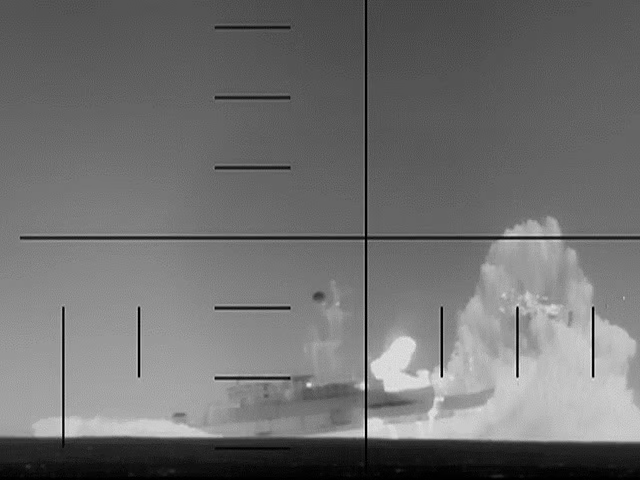
The Pentagon confirmed that a US submarine torpedoed and sank the Iranian warship IRIS Dena off Sri Lanka, marking the first such US naval action since World War II. Sri Lanka recovered 87 bodies and rescued 32 survivors.
Iranian state media reported over 1,000 deaths nationwide from US-Israeli strikes. Explosions were reported in Tehran and Jerusalem as missile exchanges continued. NATO forces intercepted a ballistic missile headed toward Turkey.
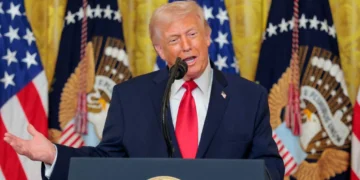
Iran’s Revolutionary Guards claimed “complete control” over the Strait of Hormuz, warning vessels of potential risks. US President Donald Trump stated that the US Navy is prepared to escort oil tankers if necessary.
Gulf States on High Alert
Bahrain reported intercepting 74 missiles and 95 drones. Kuwait confirmed missile interceptions but also reported civilian casualties from falling debris, including the death of an 11-year-old girl.
Qatar confirmed a missile strike at Al Udeid base without casualties and announced arrests of 10 suspects linked to Iranian Revolutionary Guard-associated cells.
Saudi Arabia intercepted cruise missiles and thwarted a drone attack on Ras Tanura refinery, with no damage reported.
Oman rescued a cargo vessel crew struck by missiles near the Strait of Hormuz.
Travel and Aviation Disruptions
UAE airports are operating under emergency corridors, managing 48 flights per hour. Emirates suspended Dubai flights until March 7, while Air Arabia and Qatar Airways extended temporary suspensions. Saudia Airlines halted flights to multiple regional destinations until March 6.
India cancelled over 1,200 flights and established a control room for citizens. Fujairah International Airport launched charter flights in partnership with SalamAir to assist stranded travellers.
The US Embassy in Abu Dhabi and Consulate in Dubai suspended operations. Pakistan’s Embassy in Abu Dhabi also halted in-person services.
Economic Impact
UAE stock markets fell sharply upon reopening, with Dubai’s index dropping nearly 5 percent. Analysts cited delayed price adjustments rather than panic selling.
Oil prices surged, with Brent crude climbing above $82 per barrel amid fears of supply disruption.
Despite tensions, key infrastructure remains operational:
- Jebel Ali Port continues normal operations.
- Emaar communities and malls operating normally.
- UAE telecom and banking systems functioning without disruption.
- Pharmaceutical stockpile confirmed secure.
Education and Public Safety
The UAE announced early spring break from March 9 to March 22 for schools and universities. Distance learning has been extended until March 6.
Authorities urged residents not to film security sites or spread unverified information, emphasizing compliance with emergency alerts.
Global Reactions
France deployed its aircraft carrier Charles de Gaulle to the Mediterranean. Canada questioned the legality of US-Israel strikes. The Vatican warned against “preventive war,” calling for multilateral diplomacy.
Iran postponed the state funeral of Ayatollah Ali Khamenei and is reportedly working to appoint a new supreme leader.
As the conflict widens across Lebanon, Kuwait, Qatar, Saudi Arabia, Iraq, and beyond, the region remains on high alert, with diplomatic solutions appearing increasingly distant.