






























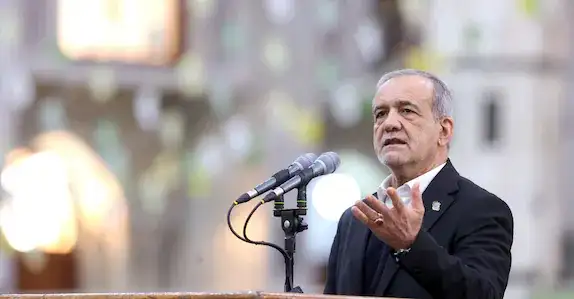
Tehran/Washington, April 2, 2026: Iran’s President Masoud Pezeshkian has stated that Iran holds no hostility toward the American people, even as tensions with the United States continue to escalate. In a letter addressed to U.S. citizens, he clarified that Iran’s conflict is not with ordinary Americans, signaling a softer diplomatic tone amid ongoing hostilities.
Meanwhile, diplomatic efforts are intensifying to stabilize global trade routes. UK Prime Minister Keir Starmer announced that an international meeting will be held this week to discuss reopening the strategically vital Strait of Hormuz. The talks will focus on restoring freedom of navigation, ensuring the safety of stranded ships and sailors, and planning long-term security measures in the region. Several countries, including France, Germany, Italy, Japan, and the Netherlands, are expected to participate.
On the ground, the conflict continues to impact the Gulf region. Iran has reportedly intensified its attacks, with a strike targeting a fuel tank at Kuwait Airport causing damage, though no casualties were reported. In the UAE’s Fujairah, debris from an intercepted Iranian missile reportedly killed a Bangladeshi national after falling on a farm.

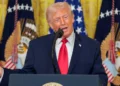
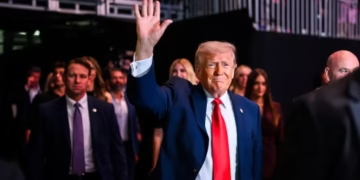
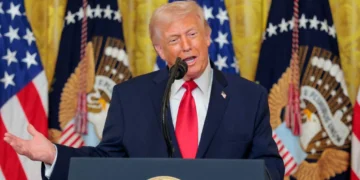
In Washington, U.S. President Donald Trump indicated that the war with Iran may soon come to an end. He stated that the conflict is in its final phase and suggested that a resolution could be reached within two to three weeks. Trump also expressed optimism that fuel prices would drop significantly once the war concludes.
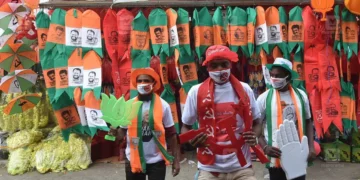
The broader impact of the conflict is already being felt globally. In India, commercial LPG cylinder prices have surged sharply due to the ongoing crisis in West Asia. In New Delhi, the price of a 19-kg commercial cylinder has increased significantly, marking the third hike within a month, placing additional pressure on businesses such as hotels and restaurants.
As the conflict enters a critical phase, global leaders are balancing military developments with urgent diplomatic efforts, while economic ripple effects continue to affect markets and everyday life worldwide.