


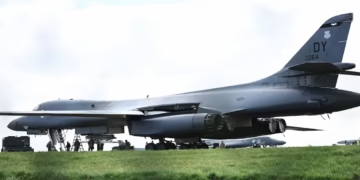






































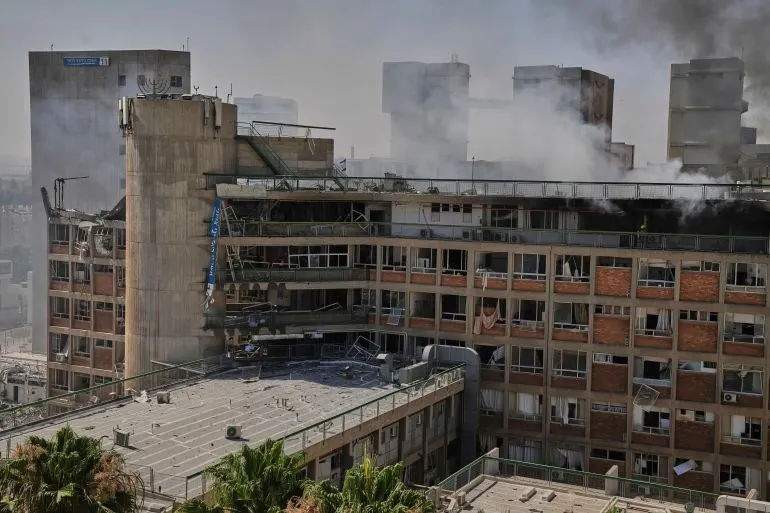
TEHRAN / JERUSALEM – In a significant escalation of regional tensions, the Israeli Air Force carried out targeted airstrikes on two key Iranian nuclear facilities on Friday, March 27, 2026. The strikes hit the Shahid Khondab Heavy Water Complex near Arak and a uranium processing plant in Ardakan, Yazd Province.
Key Details of the Attack
- Target 1: The Khondab Heavy Water Complex (Arak). The Israeli military claimed this site was being rebuilt to produce weapons-grade plutonium, violating previous international commitments.
- Target 2: The Ardakan Yellowcake Production Plant (Yazd). Israel identified this as a unique facility essential for the early stages of uranium enrichment.
- Casualties & Radiation: Iranian state media and the Atomic Energy Organization of Iran (AEOI) confirmed the strikes but stated there were no casualties and no risk of radioactive leakage. The International Atomic Energy Agency (IAEA) also reported no immediate off-site radiation release.
Iran’s Response and Maritime Threats
Following the strikes, Iranian Foreign Minister Abbas Araghchi warned that Israel would pay a “heavy price” for its actions. The Islamic Revolutionary Guard Corps (IRGC) has indicated that its response will not be a simple “eye for an eye” but a more expansive retaliation.
The conflict has also spilled into the maritime domain. Iran has reportedly increased its presence in the Strait of Hormuz, with the IRGC turning back several cargo ships. There are growing concerns that Tehran may implement a “toll booth” system or a full blockade of the Strait, a move that would cripple international oil exports and global trade.

International Reaction
- Israel: Prime Minister Benjamin Netanyahu’s government stated the strikes were necessary to eliminate an “existential threat” and a “major blow” to Iran’s nuclear ambitions.
- United States: President Donald Trump, while claiming ceasefire talks are progressing “very well” through mediators like Pakistan, has warned Iran that any failure to keep the Strait of Hormuz open by early April could lead to the destruction of its energy plants.
- IAEA: Director General Rafael Grossi has called for “maximum military restraint,” warning that any hit on a nuclear facility is “playing roulette with civilian lives.”