
































DUBAI — In a move that significantly escalates tensions in the Middle East, Iran has effectively established a “toll booth” system within the Strait of Hormuz. The Iranian government now requires all commercial cargo vessels to obtain explicit permission from the Islamic Revolutionary Guard Corps (IRGC) before navigating the strategic waterway. This new mandate, which involves ships entering Iranian territorial waters for “security screening,” has led to widespread allegations that Tehran is illegally charging transit fees for passage through one of the world’s most vital maritime arteries.
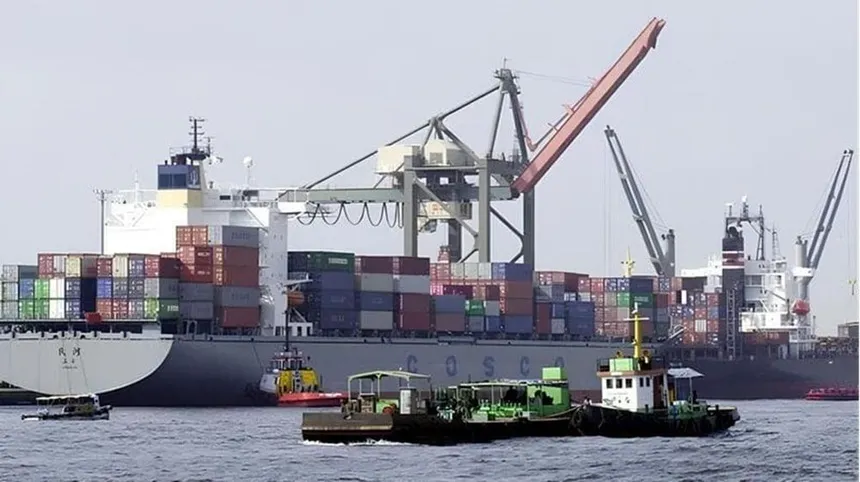
The impact on global trade has been immediate and severe. According to data from Lloyd’s List Intelligence, international maritime traffic through the Strait has plummeted by an staggering 90% since the implementation of these rules. While the waterway typically handles the daily passage of millions of barrels of oil, only about 150 vessels—including oil tankers and bulk carriers—have been recorded passing through since March 1st. This volume, which used to represent a single day’s traffic, now spans nearly a month, leaving an estimated 2,000 ships stranded or forced to take lengthy diversions.
Despite the bottleneck for international commerce, Iran’s own economic interests appear shielded. Reports indicate that crude oil exports from Iran’s Kharg Island terminal have continued without interruption, largely heading toward Chinese refineries that operate outside the scope of Western sanctions. Meanwhile, other nations are forced to rely on high-level diplomatic interventions to move essential goods; for instance, two Indian LPG tankers were recently allowed to pass only after significant diplomatic pressure was applied.

The Gulf Cooperation Council (GCC) has officially condemned the move, labeling the “toll” system a flagrant violation of international maritime law and a threat to global energy security. Iranian state media, however, suggests that the government is moving forward with formal legislation to codify these transit fees. As the international community weighs its response, the formalization of IRGC control over the Strait marks a precarious new era for the “Greenback” of global energy—the US dollar-denominated oil trade—and the freedom of navigation in international waters.