










































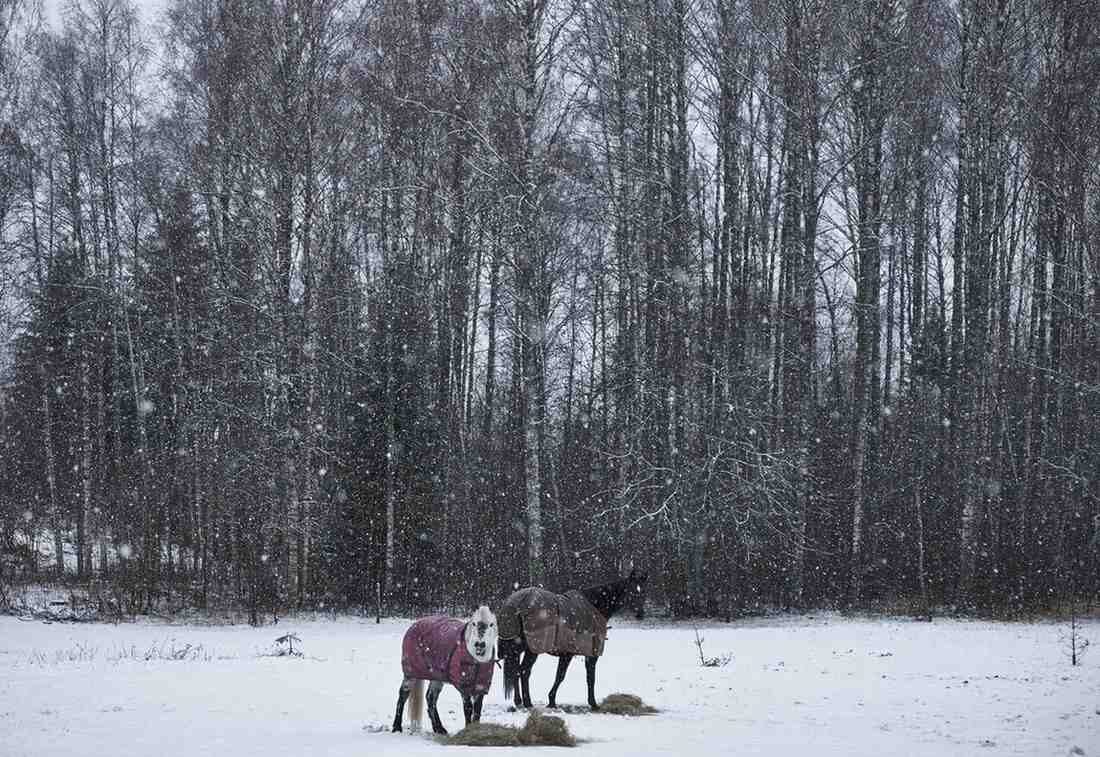
In Uttarakhand’s higher Himalayan regions, winter has arrived without its most crucial elements—rain and snow—placing thousands of farmers and apple growers at risk. The prolonged dry spell has disrupted agriculture across districts such as Uttarkashi, Chamoli, and Tehri, with apple cultivation emerging as one of the worst-hit sectors.

Apple trees depend on extended exposure to cold temperatures to reset their growth cycle. Without sufficient snowfall, ground temperatures remain elevated, preventing proper dormancy. Experts warn that this could lead to poor flowering, reduced fruit size, inferior colour, and declining yields—outcomes that threaten both livelihoods and local economies.

Data from the India Meteorological Department paints a troubling picture. December rainfall has been consistently below normal over the past five years, culminating in zero recorded rainfall from November 2025 to mid-January 2026. Meteorologists attribute the anomaly to weakening western disturbances, a trend increasingly linked to broader climate shifts.

For farmers in the Harsil and Dharali regions, the stakes are especially high. Dharali village, still recovering from devastating floods and landslides last year, had pinned its recovery hopes on apple harvests. “Without snowfall, apple flowering will suffer, and yields will fall sharply,” said grower Satendra Panwar, who fears increased pest and fungal attacks by spring.
The dry conditions are also affecting staple crops. Rain-fed wheat and lentil fields show poor germination, while mustard crops have suffered stress-related damage. Experts warn that reduced agricultural output could disrupt local supply chains and affect self-help groups involved in food processing.
State authorities have ordered a statewide survey to assess crop damage and prepare relief measures. Meanwhile, the IMD’s forecast of light snowfall at isolated high-altitude locations offers limited reassurance.
For now, farmers remain dependent on the skies. Without sustained winter precipitation, the region risks not just a poor harvest, but a deeper economic and ecological imbalance in the fragile Himalayan ecosystem.