




































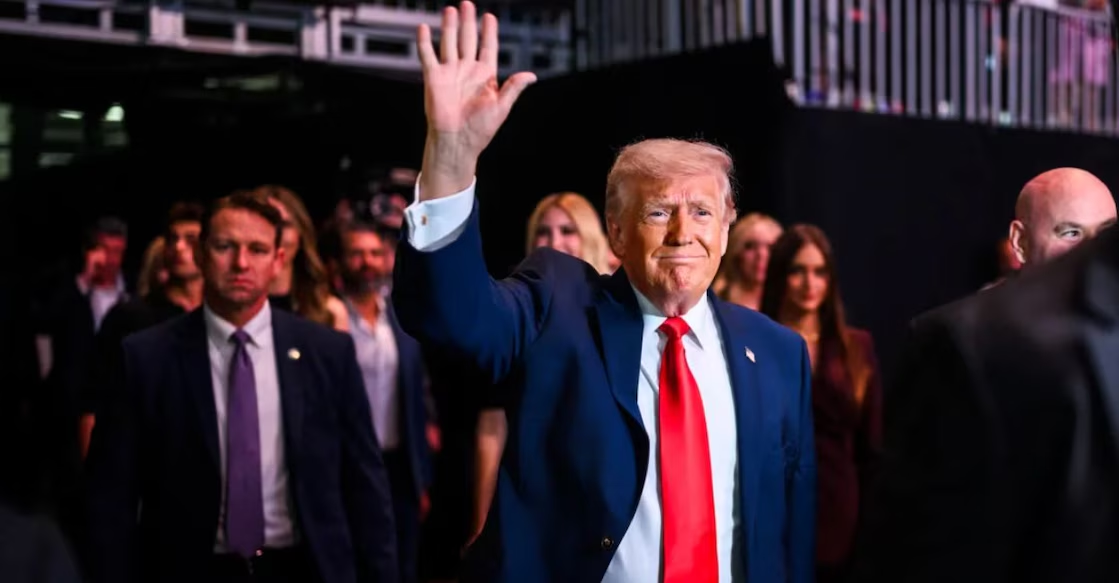
Islamabad: In a significant diplomatic move aimed at easing escalating tensions in the Middle East, US President Donald Trump is expected to visit Islamabad to push forward renewed ceasefire negotiations with Iran.
The development comes after earlier rounds of talks failed to yield a breakthrough. However, fresh signals indicate that both Washington and Tehran are now willing to return to the negotiating table, with Pakistan stepping in as a key mediator to facilitate dialogue.
Sources suggest that both sides are showing flexibility on key demands, raising cautious optimism about the possibility of a ceasefire agreement. The renewed urgency for talks is largely driven by growing instability in the Hormuz Strait and the wider Gulf region, which has already impacted global oil markets.

Senior officials from Iran are expected to participate in the discussions, while the US delegation will include top representatives from foreign affairs and national security sectors. Key issues likely to dominate the talks include easing economic sanctions on Iran and ensuring mutual security guarantees.
Meanwhile, several countries in the Middle East have welcomed the renewed diplomatic efforts, expressing hope that the initiative could help de-escalate tensions and restore stability in the region.
Observers believe that if the talks succeed, it could mark a major turning point in US-Iran relations and pave the way for long-term peace in the conflict-prone region.