









































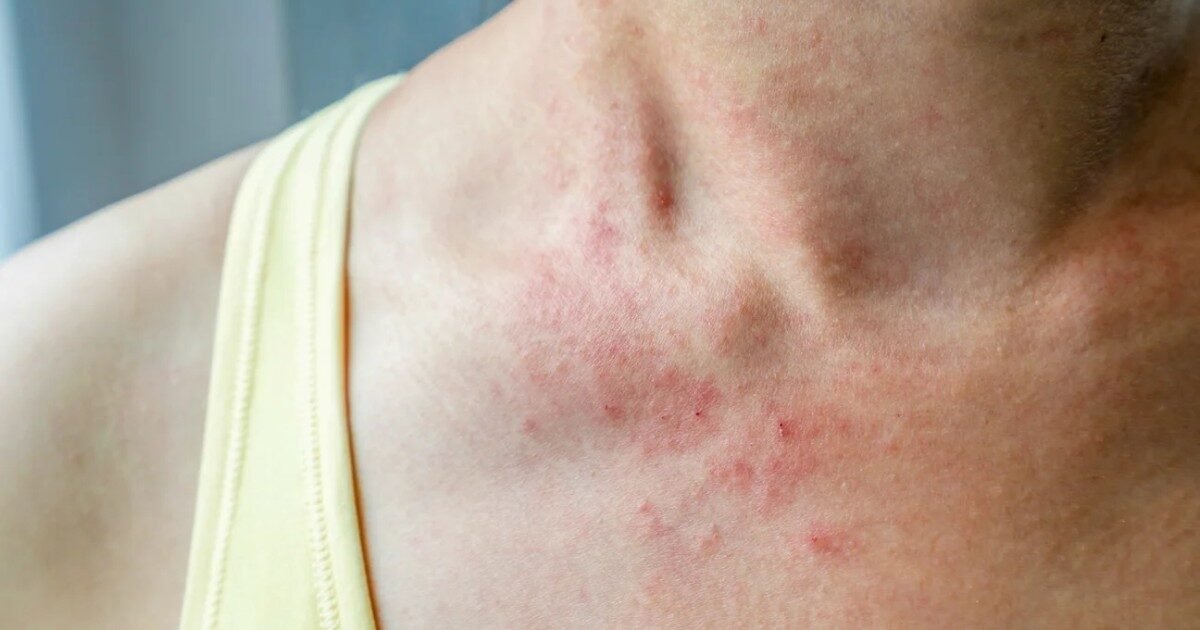
Dust allergy is a common problem that can disrupt daily comfort, especially inside the home. According to the American College of Allergy, Asthma and Immunology, dust allergies are mainly triggered by dust mites—microscopic organisms that thrive in house dust and humid environments. Their presence can lead to frequent sneezing, nasal congestion and irritation.
Research published in the Journal of Allergy and Clinical Immunology highlights that dust mites struggle to survive when indoor relative humidity drops below 50 percent. Managing moisture levels at home is therefore a key step in reducing allergy triggers. Using dehumidifiers, ensuring proper ventilation and running air conditioners can help maintain lower humidity levels.
Experts such as the Mayo Clinic also warn that wall-to-wall carpeting can act as a breeding ground for dust mites. Replacing carpets with hard flooring like tiles, wood or vinyl can significantly reduce dust accumulation. Fabric items such as curtains, table covers and bedding also trap allergens, making dust-proof pillow and mattress covers a helpful alternative.

Regular cleaning is essential. Washing bed linens in hot water—at least 130°F (54.4°C)—can kill dust mites and remove allergens. Reducing clutter and cleaning surfaces with damp cloths rather than dry dusters prevents dust from spreading in the air. Vacuuming once or twice a week using HEPA-filter vacuums further keeps allergens under control.
With consistent effort and smart changes, homes can be transformed into safer, dust-repellent spaces for allergy sufferers.