


































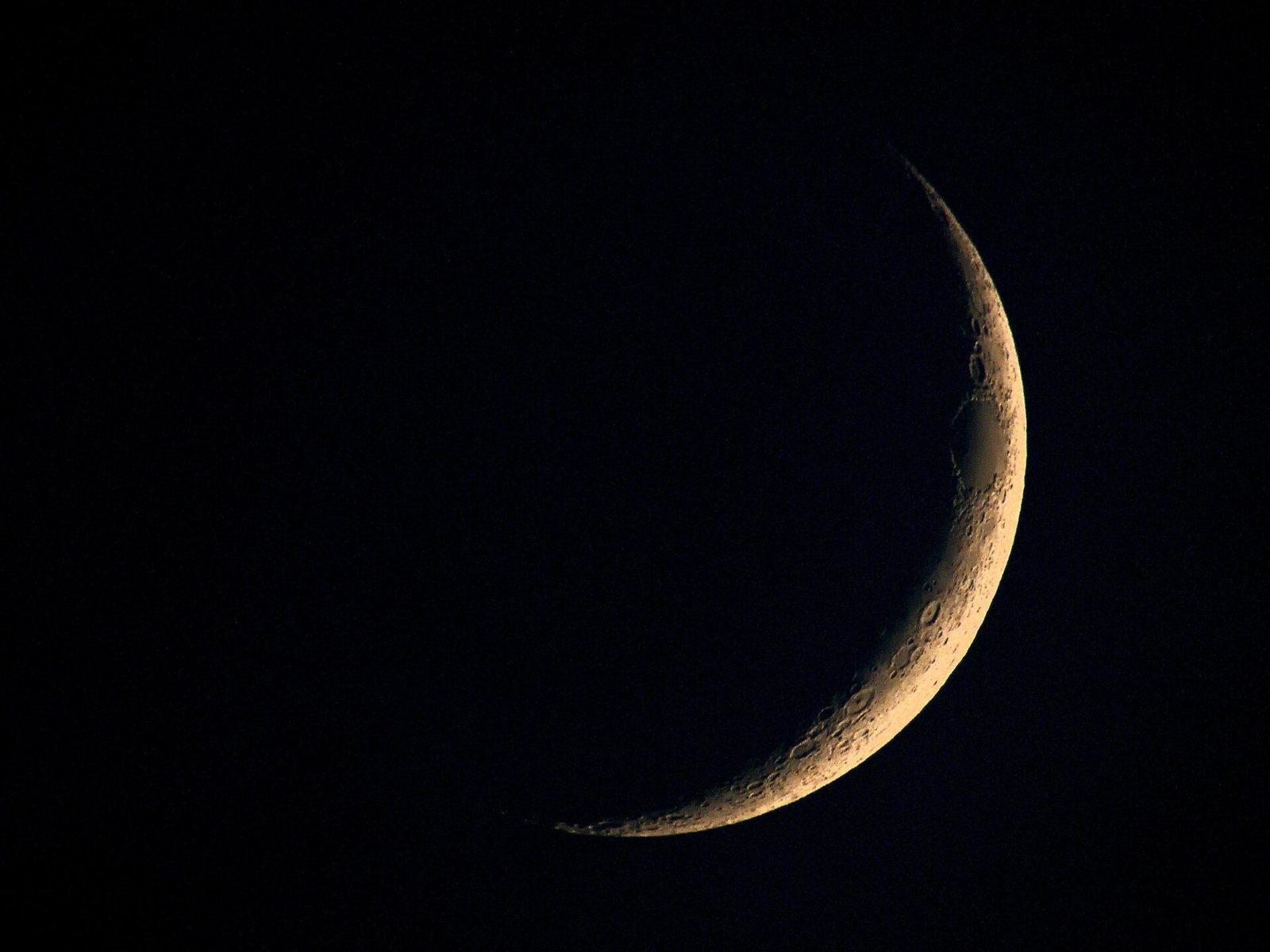
The sighting of the Ramadan crescent moon marks the beginning of one of the most sacred months in the Islamic calendar. In the UAE, this cherished tradition brings communities together as families and friends look toward the horizon after Maghrib prayer.

This year, the UAE Council for Fatwa has announced that the official Ramadan Crescent Moon Sighting Committee will convene on February 17, 2026 at 6pm at Qasr Al Hosn in Abu Dhabi. While the official confirmation will come through authorised channels, residents can also participate by observing the skies from some of the country’s best open-air spots.
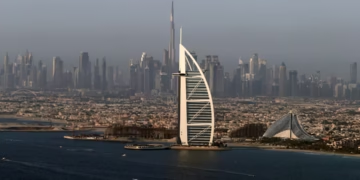
Dubai
- Al Barsha Pond Park – A peaceful green escape with clear horizon views and late closing hours.
- Al Qudra Lakes – Popular for stargazing, with minimal light pollution and wide open skies.
- Jebel Ali Beach – A quiet beachfront perfect for sunset and crescent spotting.
- Kite Beach – Combine moon gazing with a relaxed seaside stroll.
- The Viewing Point – A 70-metre elevated walkway offering sweeping skyline views.
- Hatta Dam – Darker mountain skies for a serene, nature-filled experience.
Abu Dhabi
- Al Quaa Milky Way Spot – Known for some of the darkest skies in the country (4×4 required).
- Al Wathba Desert – Famous for fossil dunes and tranquil open landscapes.
- Liwa Desert – Located in the Empty Quarter, offering near-zero light pollution.
Sharjah
- Mleiha Desert – A favourite among astronomy enthusiasts for its expansive desert views.
Ras Al Khaimah
- Jebel Jais – The UAE’s highest peak, delivering crystal-clear night skies.
Whether you choose a city beach, a desert expanse, or a mountain retreat, the experience of witnessing the crescent moon carries spiritual depth and communal warmth. As the skies darken and the call to prayer echoes, the first glimpse of the crescent signals reflection, gratitude, and the beginning of Ramadan.