


































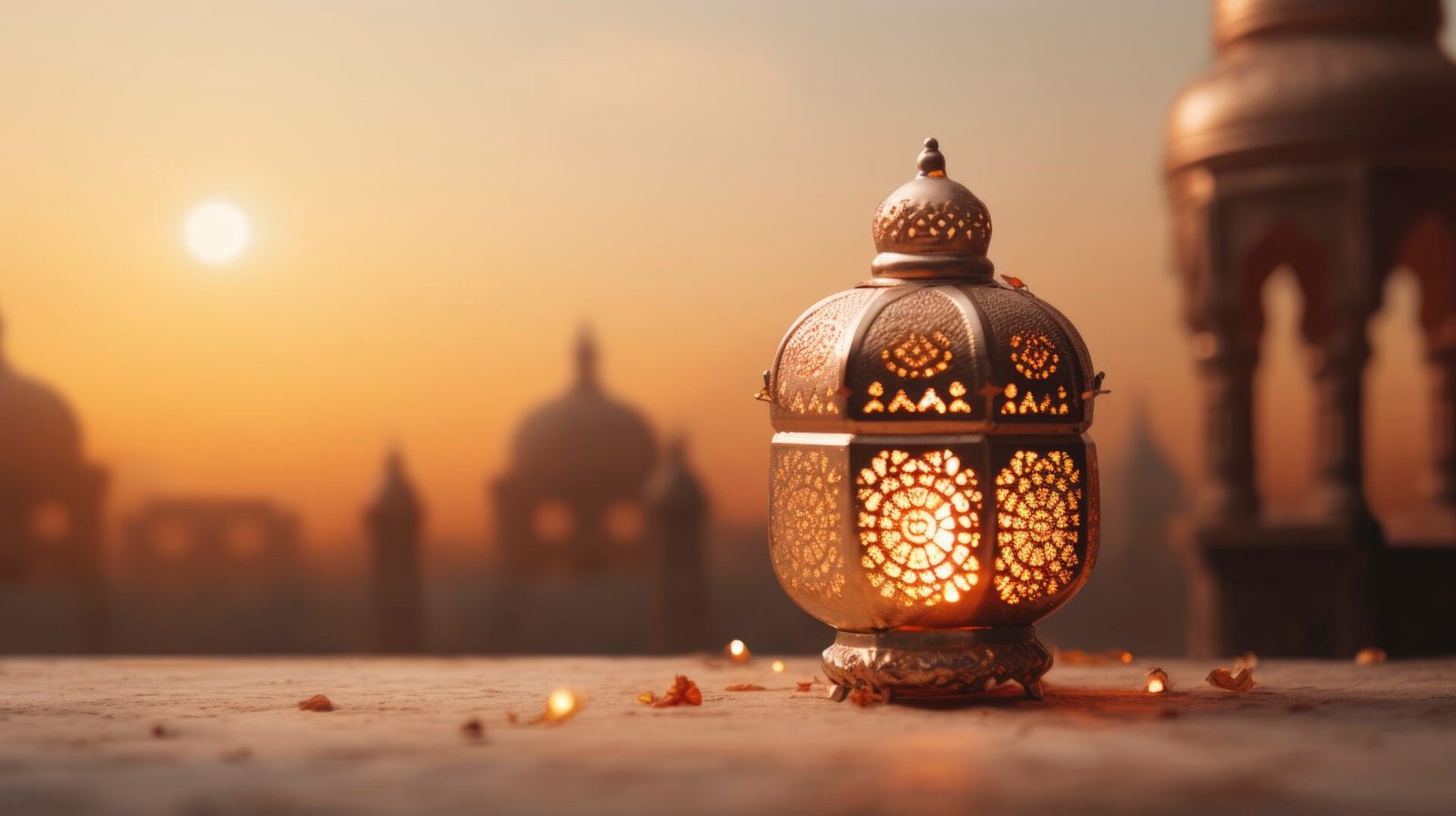
Ramadan is one of the most meaningful and culturally rich times of the year in Dubai, marked by fasting, reflection and a strong sense of community. During the holy month, daily life adopts a calmer rhythm, evenings become more vibrant, and the city comes together in a shared atmosphere of patience, generosity and respect.

For visitors and new residents, Ramadan offers a unique opportunity to experience Dubai beyond its usual pace. After sunset, Ramadan markets come alive, hotels host elaborate iftar gatherings, and neighbourhoods reflect a spirit of togetherness that defines the month.
One of the most frequently asked questions during Ramadan is whether eating or drinking in public is allowed. Muslims observing Ramadan fast from sunrise to sunset. Non-Muslims are not required to fast, and restaurants and cafés are permitted to operate during the day. However, out of respect, eating, drinking, smoking or chewing gum in public spaces during daylight hours is discouraged. Many hotels and venues provide discreet dining areas for those who are not fasting.
As sunset approaches, the city transitions into the evening rhythm of iftar. Joining an iftar is considered a meaningful way to engage with Ramadan traditions. Hotels and restaurants across Dubai offer curated iftar experiences featuring traditional Arabic dishes alongside international cuisine, creating welcoming spaces for families, friends and visitors.
Dress etiquette also becomes more important during Ramadan. While Dubai remains generally relaxed, modest clothing is encouraged in public places, cultural areas and historic districts. Covering shoulders and knees is a simple way to show cultural awareness and respect.
Sound and behaviour matter as well. Ramadan is a period of reflection, and loud music, raised voices and public arguments are discouraged. Using headphones instead of speakers and keeping conversations calm helps preserve the peaceful environment.
Daily routines across the city also change. Working hours are reduced by two hours for all employees, shopping malls often open later and stay open late into the night, and some restaurants may only operate after sunset. Alcohol continues to be served at licensed venues, though some may pause daytime service.
Drivers are advised to exercise extra caution just before iftar, when traffic increases and fatigue may affect fasting motorists. Booking taxis in advance during sunset hours is recommended.
In 2026, Ramadan is expected to begin on Thursday, February 19, subject to official moon sighting. If confirmed and lasting 30 days, the holy month would conclude around March 19, with Eid Al Fitr likely on March 20, 2026.