








































Full moon names have deep historical roots, many of them originating from Native American tribes of what is now the northern and eastern United States. These communities closely observed nature and named each full moon based on seasonal changes, wildlife behavior and agricultural activities. Over time, these names were widely used across Algonquin tribes from New England to the Great Lakes, with European settlers later adopting and adding variations.

Because a lunar month lasts about 29.5 days, full moon dates change every year. In 2026, the calendar features a rich mix of traditionally named full moons, some accompanied by notable celestial events like lunar eclipses and a year-ending supermoon.
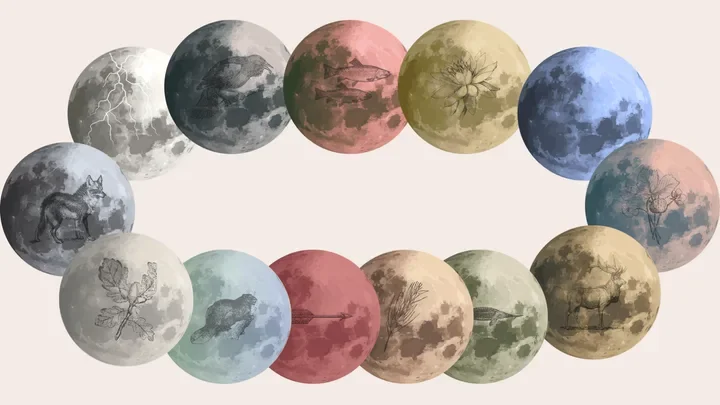
The year begins with the Full Wolf Moon on January 3, named after wolves howling during harsh winter conditions. February’s Full Snow Moon or Hunger Moon reflects heavy snowfall and scarce food. March brings the Full Worm Moon, signaling thawing ground and the return of birds, along with a total lunar eclipse visible across much of the U.S.
April’s Full Pink Moon marks early spring blooms and serves as the Paschal Full Moon that determines Easter. May’s Full Flower Moon celebrates widespread blossoms, while June’s Full Strawberry Moon highlights berry harvest season. July’s Full Buck Moon is linked to deer growing new antlers.
August hosts the Full Sturgeon Moon and a near-total lunar eclipse, while September’s Harvest Moon aligns closely with the autumn equinox and traditional crop gathering. October’s Hunter’s Moon reflects hunting season after harvests, followed by November’s Beaver Moon, associated with winter preparation. December concludes with the Full Long Nights Moon, which will also be a supermoon due to its close proximity to Earth.
Together, the full moons of 2026 blend astronomy with centuries-old cultural traditions, continuing a timeless connection between the Moon and human life.