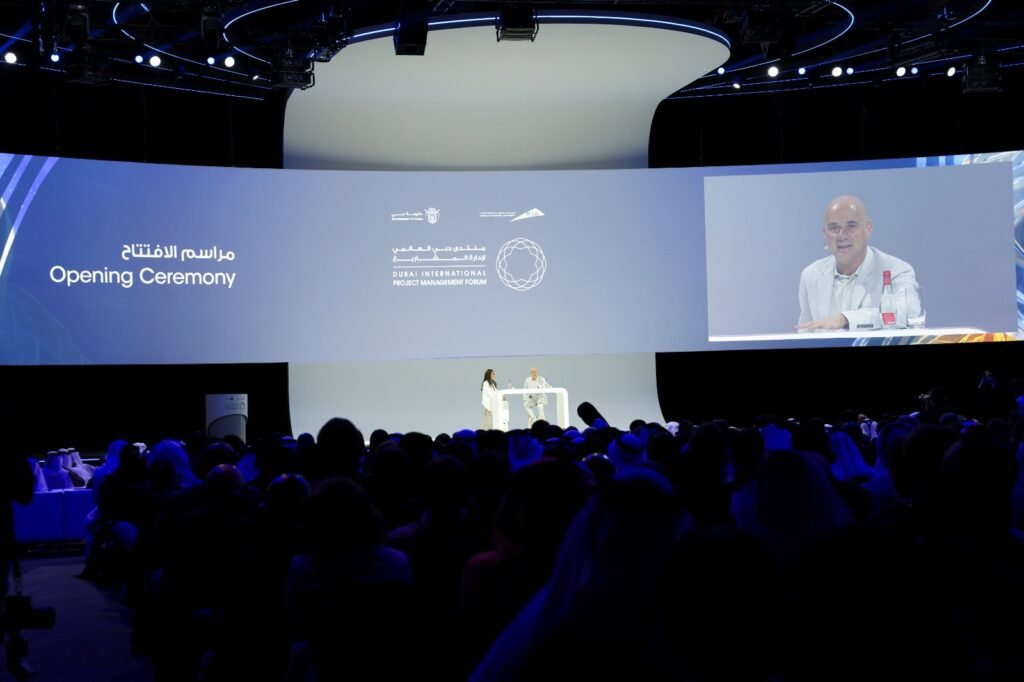





































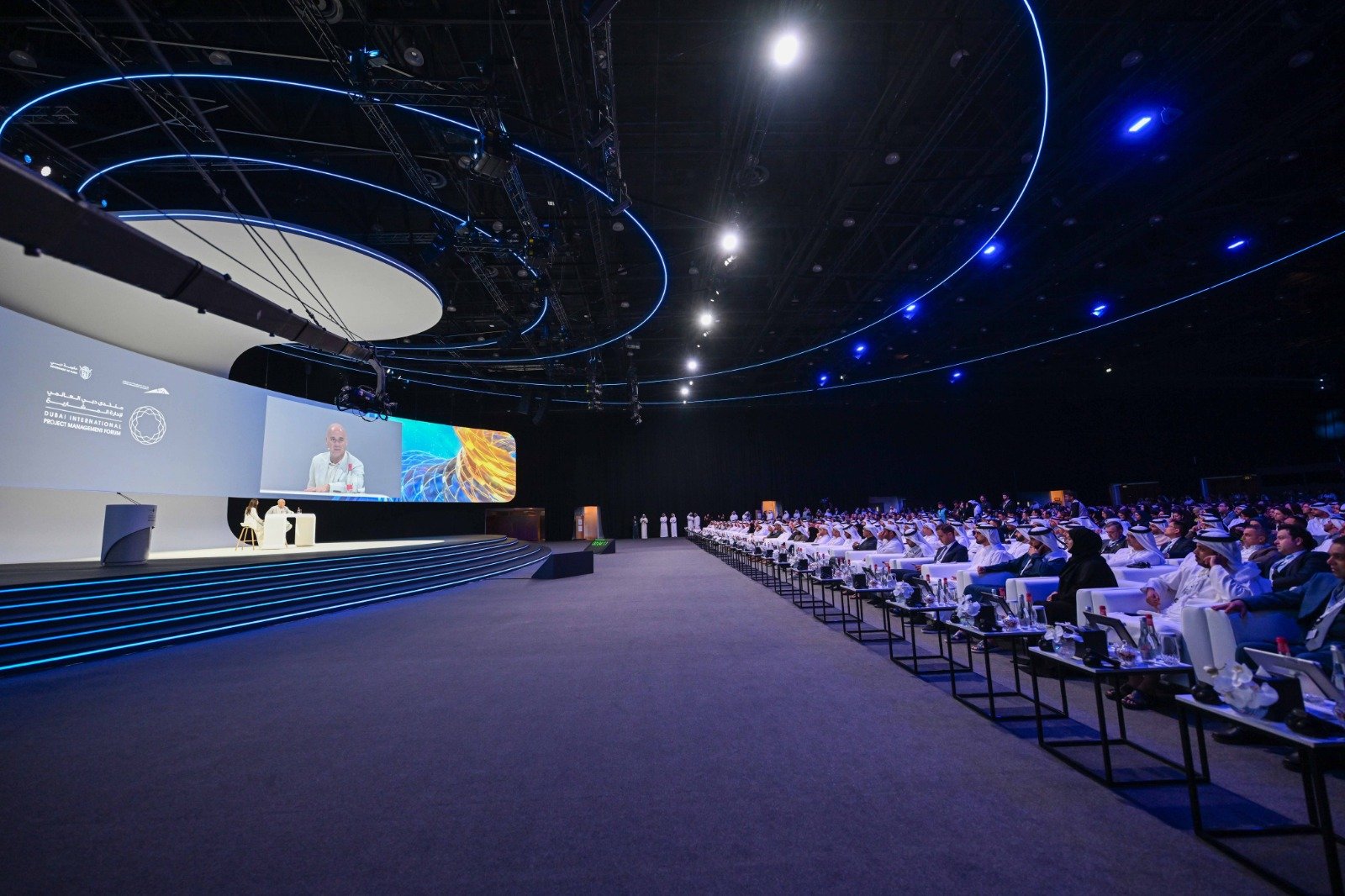
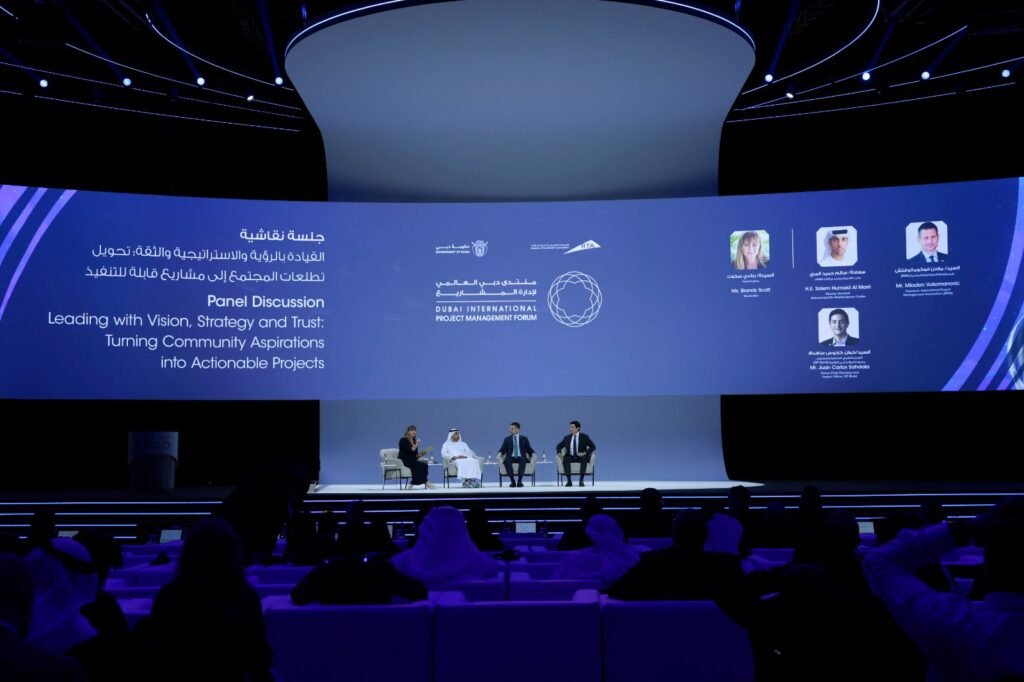
Dubai: The 11th Dubai International Project Management Forum (DIPMF) has issued 31 key recommendations aimed at strengthening project management practices and supporting sustainable urban development. The forum was held from January 12 to 15, 2026, and was organised by Dubai’s Roads and Transport Authority (RTA) in collaboration with DP World, Dubai Electricity and Water Authority (DEWA), Emaar Properties, and the Project Management Institute (PMI).

The recommendations were aligned with the forum’s theme “Bridging Communities” and focused on five major pillars: Sustainable City, Digital Transformation, Jobs of the Future, Technology and Future, and Customer-Centric Project Management.
According to Moaza Saeed Al Marri, CEO of the Executive Affairs Sector at RTA and Chair of the Organising Committee, the recommendations reflect extensive discussions among more than 3,500 global experts, officials, and project managers who participated in the forum.

Focus on Sustainable Cities and Communities
Under the Sustainable City pillar, the forum emphasised adopting urban development models that prioritise long-term quality of life, sustainability, and environmental protection rather than short-term economic returns. Participants also highlighted the importance of integrating human-centred design, artificial intelligence, and digital twin technologies to enhance urban resilience.
The recommendations also stressed that infrastructure projects should serve as strategic drivers for community development, helping improve mobility, reduce travel time, and enhance overall quality of life.
Digital Transformation and AI Governance
The Digital Transformation recommendations called for aligning digital investments with strategic priorities while maintaining strong governance and human oversight. Participants also highlighted the importance of AI-powered planning tools, proactive risk management, and scenario analysis to ensure projects are delivered efficiently.
Under the Technology and Future pillar, the forum urged governments and institutions to establish clear national frameworks for artificial intelligence, ensuring transparency, ethical use, and risk management. Data was also identified as a strategic asset that can improve decision-making and enhance productivity.
Customer-Centric Project Management
The forum highlighted the importance of listening to customer needs and adopting design thinking across all stages of project delivery. It stressed that trust, customer experience, and long-term stakeholder value should be key indicators of project success alongside traditional performance metrics.
Participants also recommended ensuring that digital services and infrastructure projects prioritise security, safety, inclusivity, and transparency.
Preparing for Jobs of the Future
Under the Jobs of the Future pillar, the forum encouraged project managers to develop future-ready skills, professional certifications, and adaptive career pathways. It also recommended transforming Project Management Offices (PMOs) into centres of excellence that focus on innovation, flexibility, and strategic impact.
Experts also highlighted the importance of combining advanced technologies such as artificial intelligence with human judgement and ethical leadership in project management.
Strengthening Dubai’s Global Leadership
Moaza Al Marri noted that the forum continues to deliver comprehensive and forward-looking recommendations, reinforcing Dubai’s global leadership in project and programme management. She added that the event highlights Dubai’s ability to host international gatherings that bring together decision-makers, innovators, and experts to shape future development strategies.