



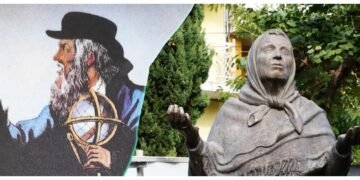





























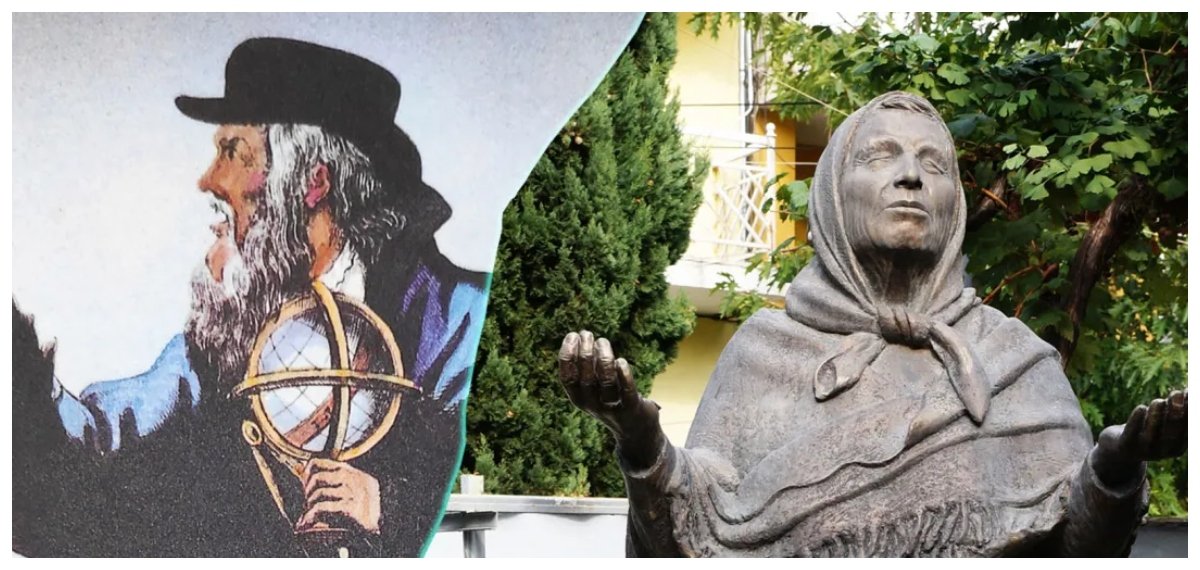
Predictions attributed to Baba Vanga and Nostradamus are once again dominating social media discussions, this time focusing on dramatic claims about 2026.

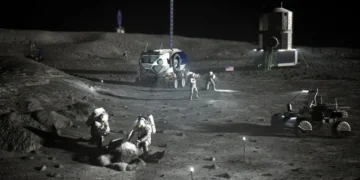
Among the most widely circulated claims is that an alien spacecraft could reach Earth in November 2026. Supporters of Baba Vanga, the blind Bulgarian mystic who died in 1996, allege that she predicted the arrival of a mysterious object known as “3I/ATLAS,” followed by a large spacecraft entering Earth’s atmosphere.
There is, however, no verified scientific evidence supporting the existence of such a prediction or the claim that an alien spacecraft is headed toward Earth.
Other alleged forecasts attributed to Baba Vanga for 2026 include a global financial crisis that could push millions into poverty, escalating geopolitical tensions in Europe and Asia, and rapid technological development surpassing human control. Followers also claim she foresaw the rise of a prominent Russian leader gaining global attention.
Meanwhile, interest has also resurfaced in the prophecies of Nostradamus, born Michel de Nostredame, whose 1555 book Les Prophéties is often cited in discussions of world events. Online interpretations suggest he predicted a major war in Europe in 2026, along with widespread unrest and bloodshed.
Historians and scholars consistently caution that Nostradamus’s writings are highly symbolic and open to interpretation. Many so-called “fulfilled prophecies,” including claims about Adolf Hitler, Princess Diana, 9/11 and COVID-19, are widely debated and often interpreted retrospectively.
Experts stress that neither Baba Vanga’s alleged predictions nor Nostradamus’s centuries-old verses are based on scientific forecasting methods. The renewed viral interest highlights how apocalyptic narratives and mystery-driven content continue to capture public imagination in the digital age.