





































New Delhi: Amid concerns over an LPG shortage, data shows that panic booking of LPG cylinders has significantly increased across India. Under normal circumstances, 50 to 55 lakh cylinders are booked daily, but in recent days the figure has surged to around 75 to 76 lakh bookings per day. Although the government has repeatedly assured that adequate stocks are available, precautionary bookings continue.

How many cylinders can one ship supply?
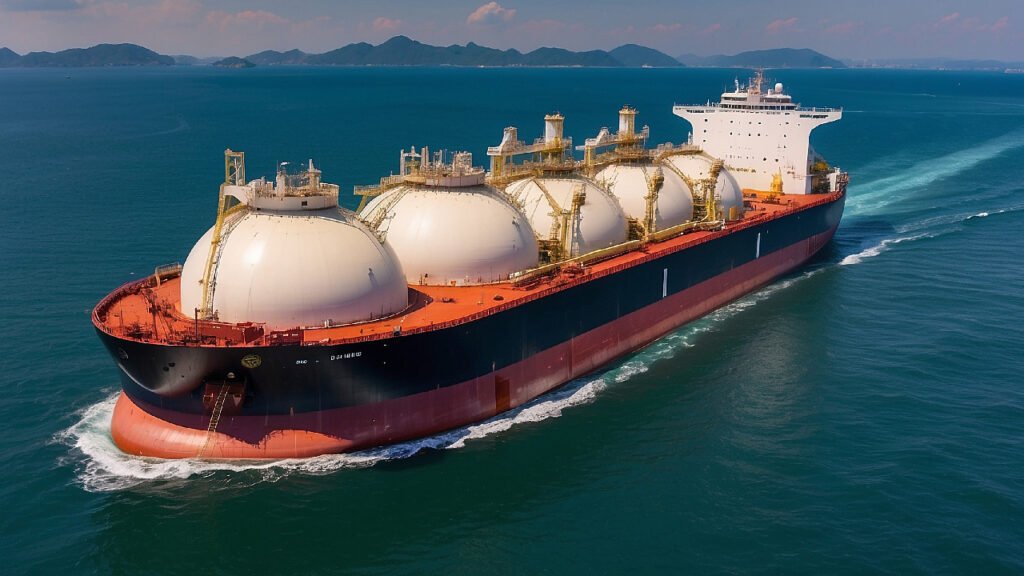
An LPG carrier typically brings 40,000 to 50,000 tonnes of LPG.

- Domestic LPG cylinder capacity: 14.2 kg
- 40,000 tonnes → about 2.8 million cylinders
- 50,000 tonnes → about 3.5 million cylinders
India consumes 80,000 to 85,000 tonnes of LPG daily, equivalent to more than 5 million cylinders per day. This means that LPG delivered by one ship can meet only about half a day’s demand.

Two ships arriving
Two LPG carriers, Shivalik and Nanda Devi, are expected to reach India soon. Together they will bring 92,700 metric tonnes of LPG, which can fill around 6.53 million domestic cylinders.
If used for 19-kg commercial cylinders, the numbers change:
- 40,000 tonnes → about 2.1 million commercial cylinders
- 92,700 tonnes → about 4.88 million cylinders
Shift towards PNG
The government has also urged people to shift from LPG to piped natural gas (PNG) wherever possible. India currently has over 15 million PNG connections, and about half of the required PNG is produced domestically. Out of 330 million LPG consumers, nearly 6 million households can switch to PNG, which could reduce pressure on LPG supplies.
Government measures
On March 8, the government brought LPG under the Essential Commodities Act to manage the shortage triggered by the West Asia conflict.
Measures include:
- Prioritising domestic LPG supply
- Increasing refinery production
- Prioritising hospitals and educational institutions for non-domestic LPG
Domestic LPG production has been increased by 30 percent to address the shortage. The government is also making diplomatic efforts to bring more LPG ships currently stuck near the Strait of Hormuz. Around 90 percent of India’s LPG imports pass through the Strait of Hormuz.